Manusa Yadnya: A Ceremony of Wholehearted Devotion from Parents to Descendants
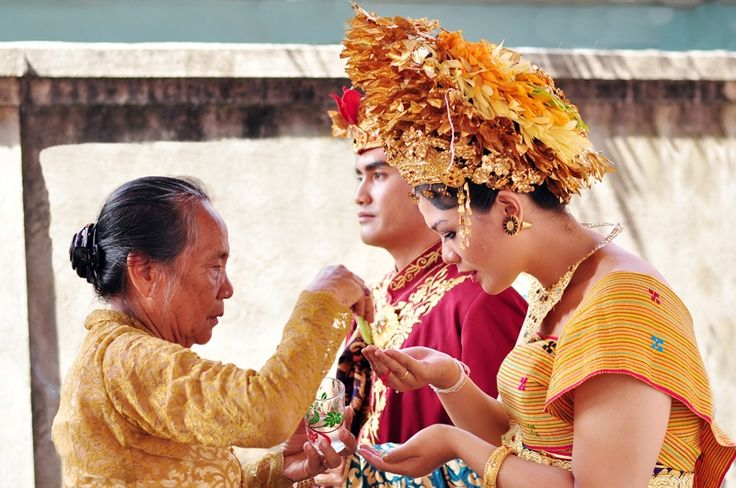
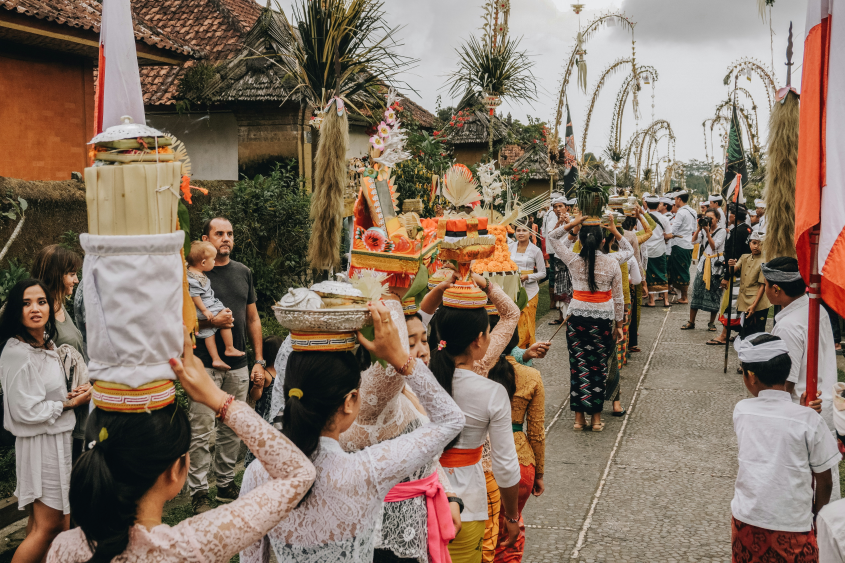
Manusa Yadnya, as a form of ceremony conducted while humans are still alive, is typically performed by parents for their children, symbolizing parental love and care towards their offspring. In the ritualistic context of Yadnya ceremonies, several Manusa Yadnya ceremonies include:
Ceremony for the Baby in the Womb
This ceremony is known as "megedong-gedongan," or the ritual purification of a baby in the womb at 7 months of gestation, when the baby has fully formed as a human. The ceremony aims to seek safety and health for both the mother and the baby.
Three-Month Baby Ceremony
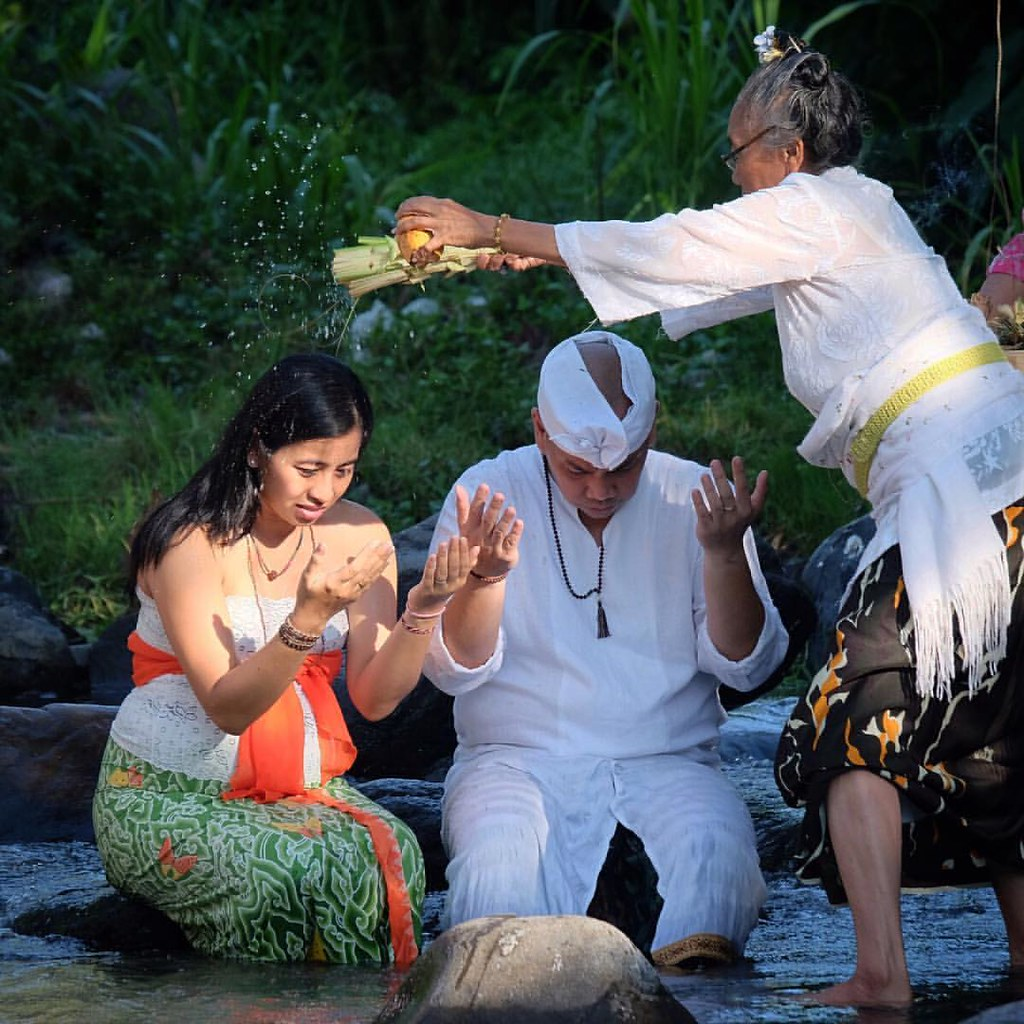
The three-month ceremony is held for babies who have reached three months of age, also known as "nyambutin" or "nelu bulanin." This ceremony aims to cleanse and purify the baby. Additionally, it symbolically welcomes the emergence of the five elements (panca maha bhuta) from all directions and releases negative influences.
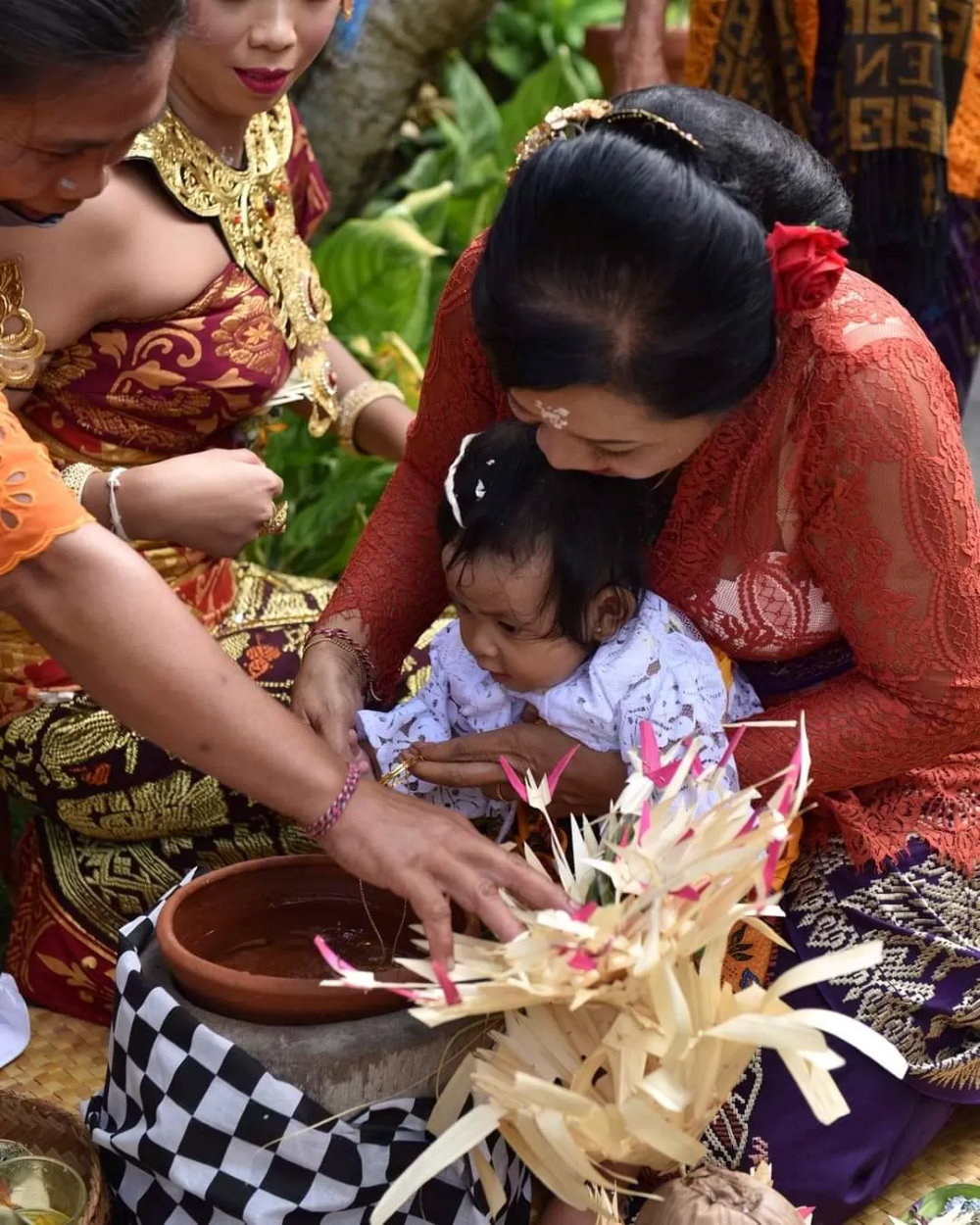
Six-Month Baby Ceremony (Otonan)
The six-month baby ceremony, known as "otonan," is held for babies who have reached six months of age. This ceremony occurs every 210 days (based on the Balinese calendar system of pancawara, saptawara, or wuku) throughout their lifetime until death. Symbolically, otonan is regarded as equivalent to the day of their birth. The ceremony carries a meaning of gratitude and self-purification.
Tooth Filing Ceremony (Mepandes, Mesangih, or Metatah)
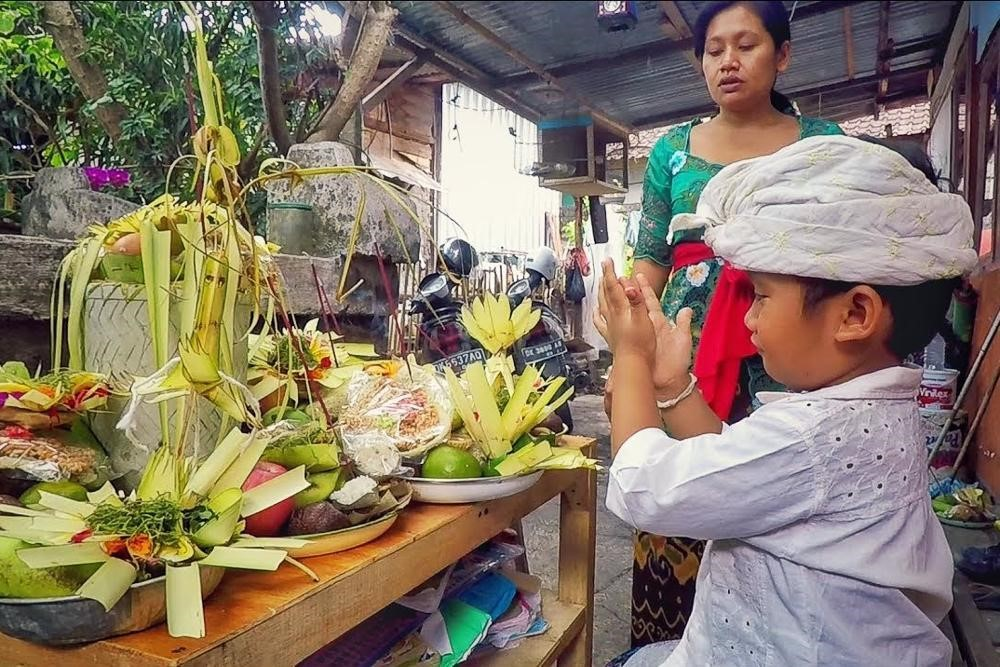
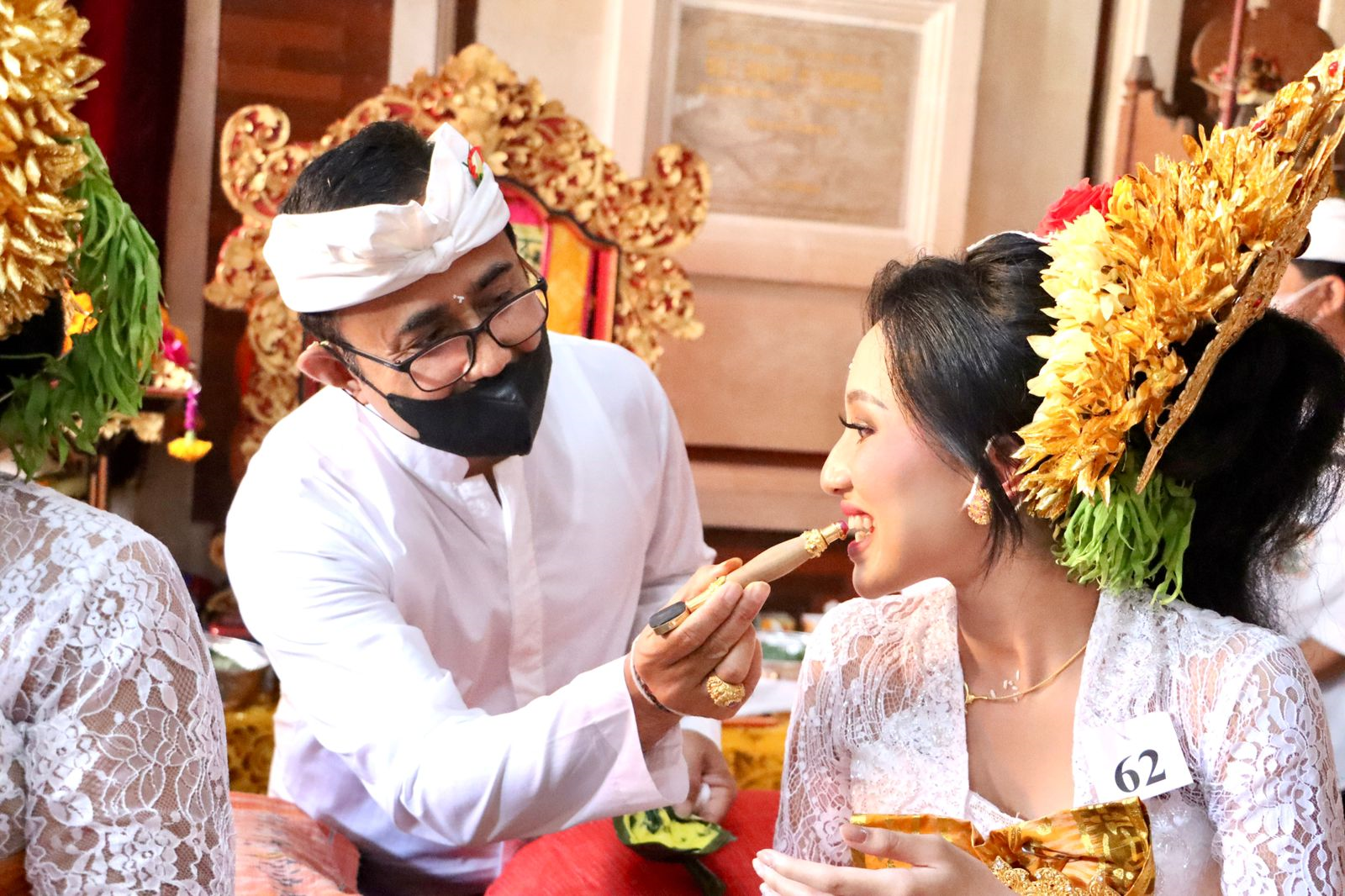
The tooth filing ceremony, known as "mepandes," "mesangih," or "metatah," is conducted when individuals reach adolescence. It involves the filing of two canine teeth and four upper incisors. This ceremony signifies the transition into true adulthood by controlling temptations and desires, fulfilling parental duties to guide children towards discovering their true human nature, and symbolically ensuring reunification of parents and children in the afterlife.
In Hinduism, there exists the concept of "sad ripu" or the six enemies of mankind, with these six teeth symbolically representing the cleansing of these enemies: desire, greed, anger, intoxication, confusion, and envy.
The tooth filing process is unique in its own right. After the teeth are filed, the individual undergoing the ceremony tastes six flavors: salty, sweet, spicy, bitter, sour, and astringent. These flavors symbolize strength in facing life's challenges—spiciness to avoid anger, bitterness and sourness to endure life's hardships, astringency to adhere to rules and norms, saltiness for wisdom, and sweetness for a happy life.
Wedding Ceremony
The wedding ceremony, known as "pawiwahan," is a sacred ritual in Bali that sanctifies the marriage bond between husband and wife. Beyond being a marital union, pawiwahan also serves as a purification ritual for the newlyweds, cleansing them from negative influences or disturbances from the spiritual realm. In Balinese tradition, there are four main marriage systems:
- Memadik or Meminang
This involves a marriage where both parties are familiar with each other and have mutual consent to proceed to married life.
- Ngererod or Ngerangkat
This is a form of elopement in Bali, where couples marry without parental consent.
- Nyentana
This follows a patrilineal system where the bride becomes "pradana" (leaving her family lineage to enter the groom's family). In this form of marriage, the bride traditionally takes on the status of "purusa" and the groom as "pradana," symbolizing the groom leaving his family to join the bride's family.
- Malegandang
This refers to forced marriages.